Pet Nutritional Counseling in Shelby Township
Shelby Veterinary Hospital provides pet nutritional counseling for dogs and cats in Shelby Township and surrounding communities throughout Macomb County. Good nutrition is one of the most powerful tools available for supporting your pet’s health—and our team is here to help you make sense of the options.
What Is Pet Nutritional Counseling?
The pet food market is vast and can be genuinely confusing to navigate. Marketing language, ingredient lists, and conflicting advice from well-meaning sources make it difficult to know what’s actually best for your individual pet. Our role is to cut through that noise and give you practical, evidence-based guidance grounded in your pet’s specific needs.
Nutritional counseling may be recommended as a standalone conversation or as part of a broader care plan—particularly when a pet is managing a chronic condition, recovering from illness or surgery, dealing with weight concerns, or transitioning between life stages.
What to Expect at Your Pet’s Nutritional Counseling Appointment
A review of your pet's current diet
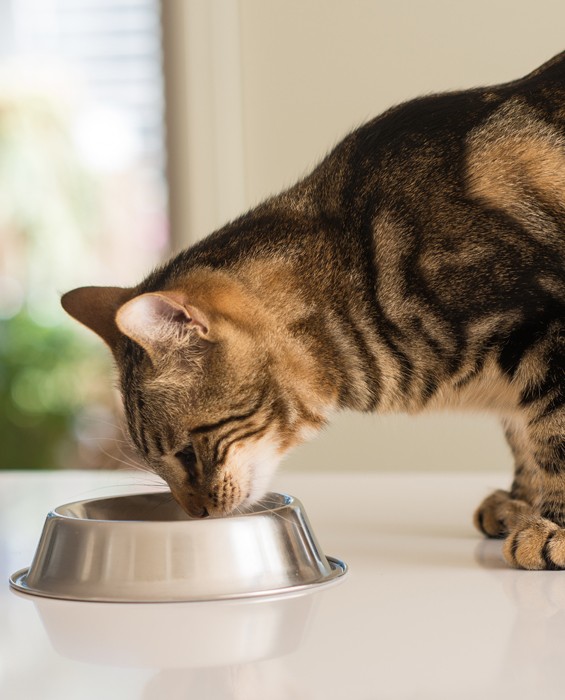
We’ll start by asking what your pet is currently eating—including primary food, treats, table scraps, and supplements. The details matter, and there’s no judgment here. Understanding your pet’s baseline helps us identify what’s working and what might need to change.
A body condition and weight assessment
Your veterinarian will evaluate your pet’s body condition score—a practical measure of whether your pet is at a healthy weight, underweight, or overweight. This assessment, combined with their current diet history, gives us a clearer picture of where adjustments may be beneficial.
A discussion of your pet's health and life stage needs
Different life stages and health conditions call for different nutritional approaches. A growing puppy has very different needs than a senior cat managing kidney disease. We take your pet’s full health profile into account before making any dietary recommendations.
Practical, personalized recommendations
We’ll share specific guidance you can act on—whether that means transitioning to a different food, adjusting portion sizes, addressing a particular nutrient gap, or simply confirming that what you’re already doing is working well. We aim to give you clear, realistic steps rather than overwhelming you with information.
Time for your questions
Nutrition is a topic many pet owners have strong feelings and genuine curiosity about. We welcome your questions—about ingredients, feeding philosophies, raw diets, grain-free options, or anything else on your mind. Our goal is to help you feel confident in the choices you’re making for your pet.
Why Pet Nutritional Counseling Matters
Many pet owners are surprised to learn that a diet that seems healthy on the surface may not be ideal for their specific pet. Breed, age, activity level, and existing health conditions all influence what “good nutrition” actually looks like in practice. A veterinarian-guided nutritional assessment takes all of those factors into account in a way that generic feeding guidelines simply cannot.
Nutrition also plays a meaningful role in managing chronic conditions. Pets with kidney disease, diabetes, food allergies, gastrointestinal disorders, or joint problems may benefit significantly from targeted dietary changes—sometimes reducing the need for other interventions or improving the effectiveness of treatments already in place.

Related Services
To monitor your pet’s weight and body condition at every visit
To address the dietary shifts that often accompany aging
To establish healthy nutritional habits from the very start
To screen for conditions that may be influenced by or affect your pet’s diet
To explore how nutrition can support comfort in pets with joint or mobility concerns