Pet Surgery in Shelby Township
Shelby Veterinary Hospital provides pet surgery services for dogs and cats in Shelby Township and Macomb County. Whether your pet is facing a routine procedure or a more complex operation, our surgical team approaches every case with precision and genuine care for your pet’s safety and comfort.
What Is Pet Surgery?
Pet surgery encompasses a range of surgical procedures performed to diagnose, treat, or correct conditions that cannot be adequately addressed through medication or other non-invasive means. Veterinary surgery spans everything from routine soft tissue procedures—such as spays, neuters, and mass removals—to more involved operations addressing internal conditions, injuries, or structural concerns.
At Shelby Veterinary Hospital, we perform a range of general and soft tissue surgical procedures for dogs and cats. Our team approaches every operation with the same standard of care regardless of complexity—because to us, no procedure is truly routine when it involves your pet. When a situation calls for a level of surgical expertise beyond what we provide, we will refer you to a trusted specialist and support you through that process.
Surgery can feel daunting for pet owners. Our goal is to make sure you feel informed, prepared, and confident at every step—from your initial consultation through your pet’s recovery at home.
What to Expect at Your Pet’s Surgical Appointment
Surgical care at Shelby Veterinary Hospital is built around thorough preparation, careful monitoring, and attentive follow-through. Here’s what the process typically looks like from start to finish:
A pre-surgical consultation and physical exam
Before any surgical procedure, your veterinarian will perform a comprehensive physical examination and discuss your pet’s health history, current medications, and the nature of the procedure being planned. This consultation is an opportunity for you to ask questions, understand the risks and benefits, and feel confident in the plan before moving forward.
Pre-anesthetic bloodwork
We recommend pre-anesthetic bloodwork for surgical patients to evaluate organ function and identify any underlying conditions that could affect how your pet responds to anesthesia. This step allows us to tailor the anesthetic protocol to your pet’s individual needs and reduce the risk of complications.
Clear pre-operative instructions
You’ll receive detailed instructions for preparing your pet for surgery—including fasting guidelines, medication management, and what to expect on the morning of the procedure. We want the day of surgery to be as straightforward as possible for you and your pet.
Continuous anesthesia monitoring throughout the procedure
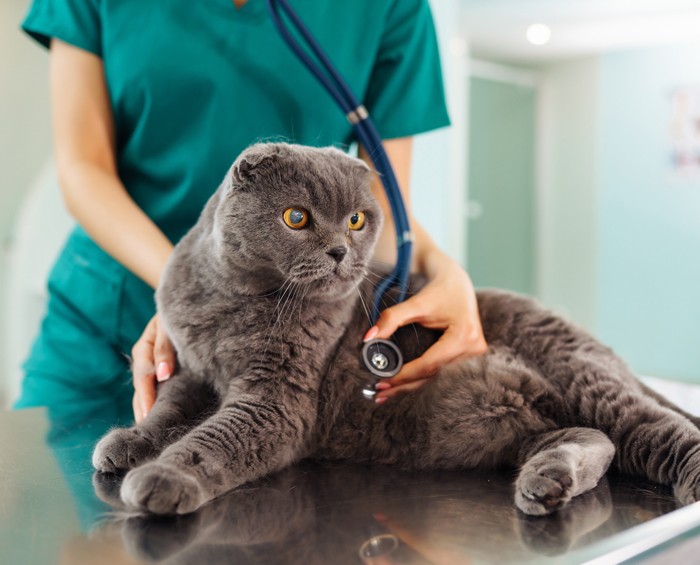
Your pet’s safety under anesthesia is our highest priority during surgery. We monitor vital signs continuously throughout every procedure—tracking heart rate, respiratory rate, blood pressure, oxygen levels, and body temperature. Our team remains attentive from the moment anesthesia is administered through the full recovery period.
Attentive post-operative recovery
Following surgery, your pet will rest and recover in our care under close observation until they are stable and alert enough to go home safely. We monitor their comfort level during recovery and address any signs of pain or distress promptly.
Thorough discharge instructions and follow-up support
Before your pet leaves our care, we’ll walk you through everything you need to know for their recovery at home—including activity restrictions, incision care, pain management, feeding guidelines, and a clear list of signs that should prompt you to contact us. We’re available to answer questions during recovery, and we’ll schedule any necessary follow-up visits to monitor healing.
Why Surgical Care Quality Matters
Thorough preparation reduces the risk of anesthetic complications by identifying concerns before they become problems. Continuous monitoring during surgery allows our team to respond quickly to any changes in your pet’s status. Attentive post-operative care supports healing and helps catch complications early, before they escalate.
The recovery period is also a meaningful part of surgical care. How a pet heals at home—how well their pain is managed, how strictly activity is restricted, how carefully the incision is monitored—significantly affects the outcome of the procedure. We invest time in discharge conversations because we know that a well-informed pet owner is one of the most important factors in a successful recovery.
Related Services
Surgical care at Shelby Veterinary Hospital connects to several other areas of your pet’s health. Your veterinarian may also recommend:
To learn more about our approach to routine reproductive surgeries
To ensure your pet’s comfort before, during, and after their procedure
To monitor your pet’s recovery and ongoing health following surgery
To support older pets with care designed for the needs of aging animals
FAQs About Pet Surgery
How do I know if my pet needs surgery?
Is anesthesia safe for my pet?
How long will my pet need to recover?
What should I watch for at home during recovery?
What if my pet needs a surgery you don't perform?
Careful, Attentive Surgical Care for Every Patient
Surgery is one of the ways we can help pets live longer, more comfortable lives—and at Shelby Veterinary Hospital, we don’t take that responsibility lightly. From the first consultation to the final follow-up visit, our team brings the same careful attention and genuine concern to every surgical patient that defines everything we do. Your pet’s safety, comfort, and recovery are our priority at every step—and we’re here to support both of you through the entire process.